Home›Jury Duty›The Arsenic Mirror
Jury Duty · No. 1The Arsenic Mirror
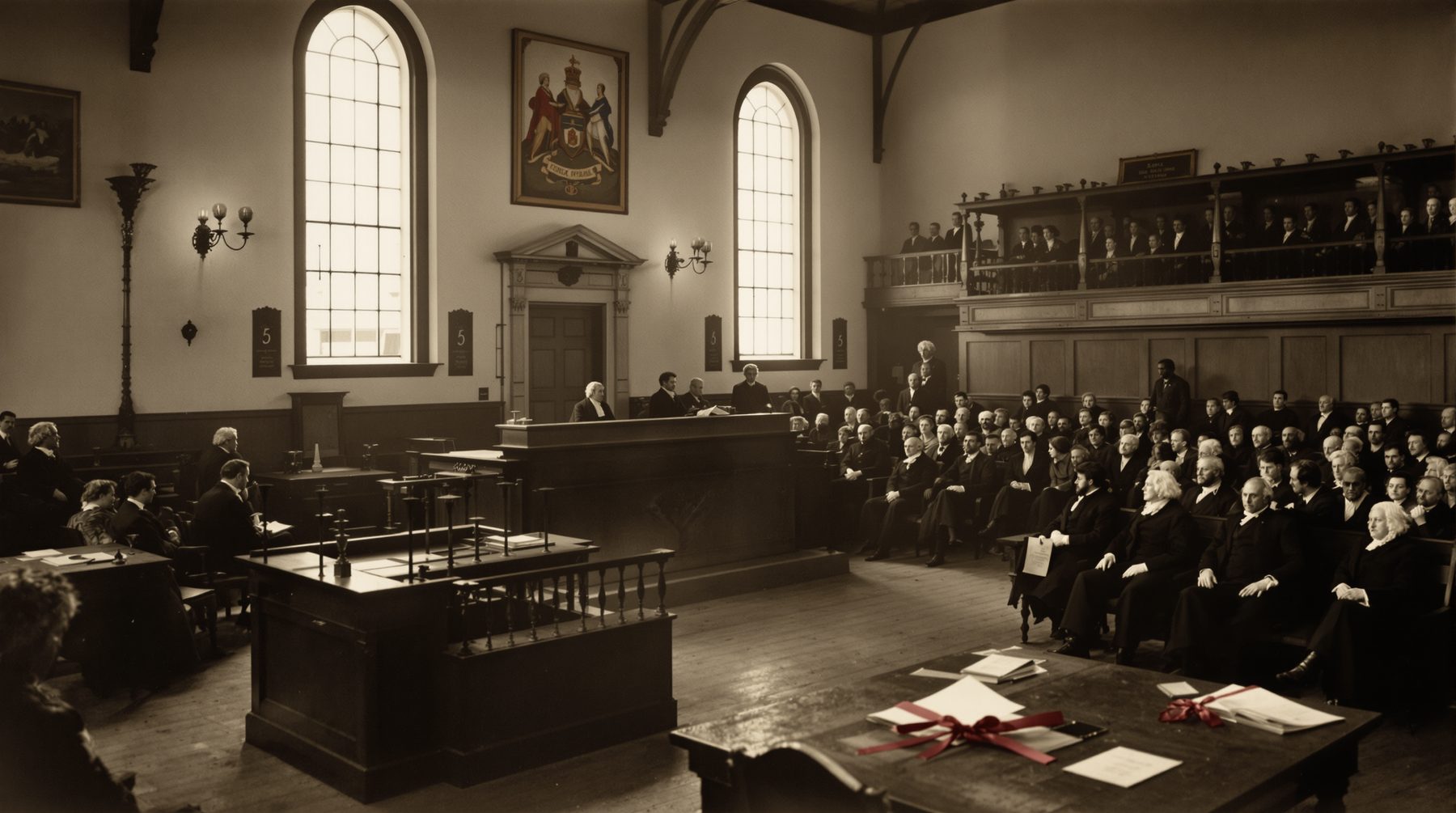
Circuit Court, Ballarat, Colony of Victoria · August Sittings, 12 to 14 August 1879
A wife, a packet of arsenic bought for rats, and two analysts who do not agree. You are on the jury.
The case against Honora Kellow.
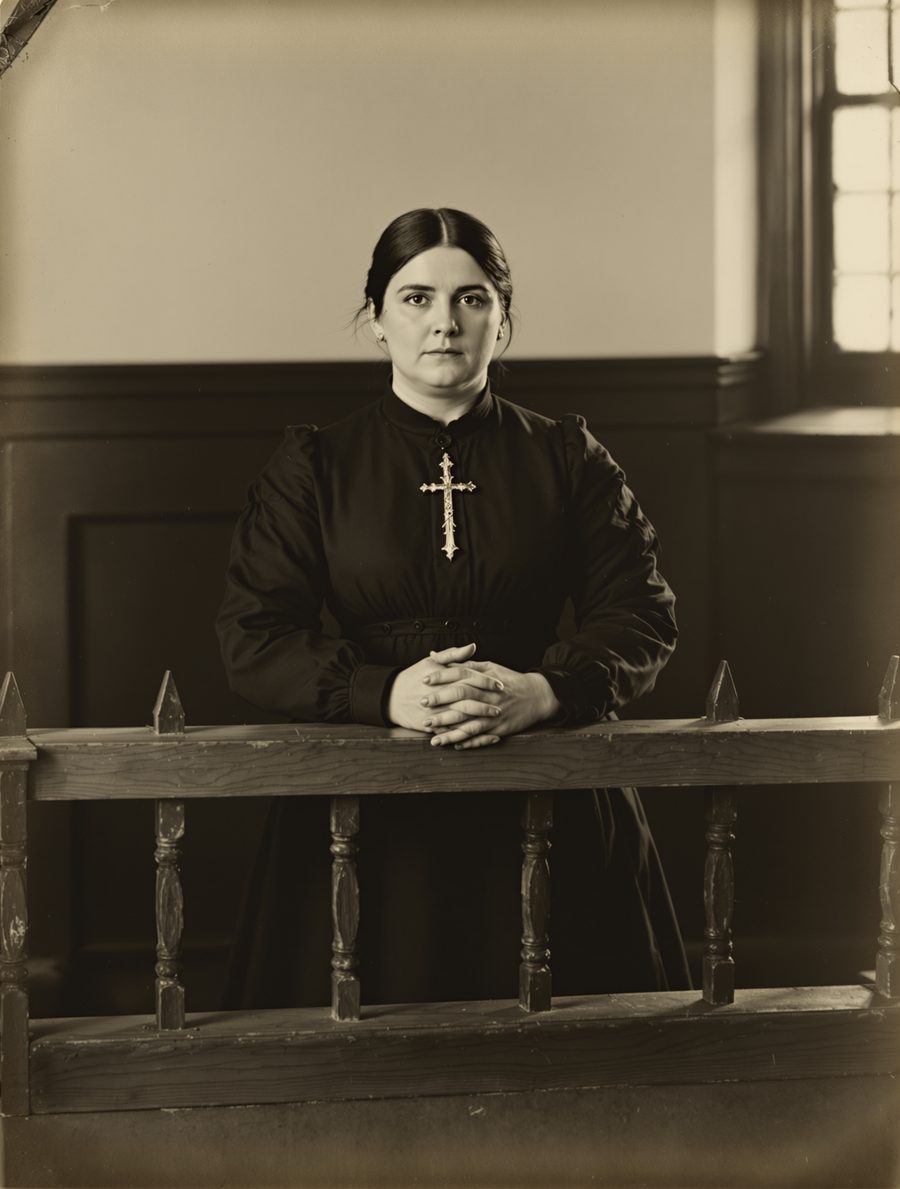
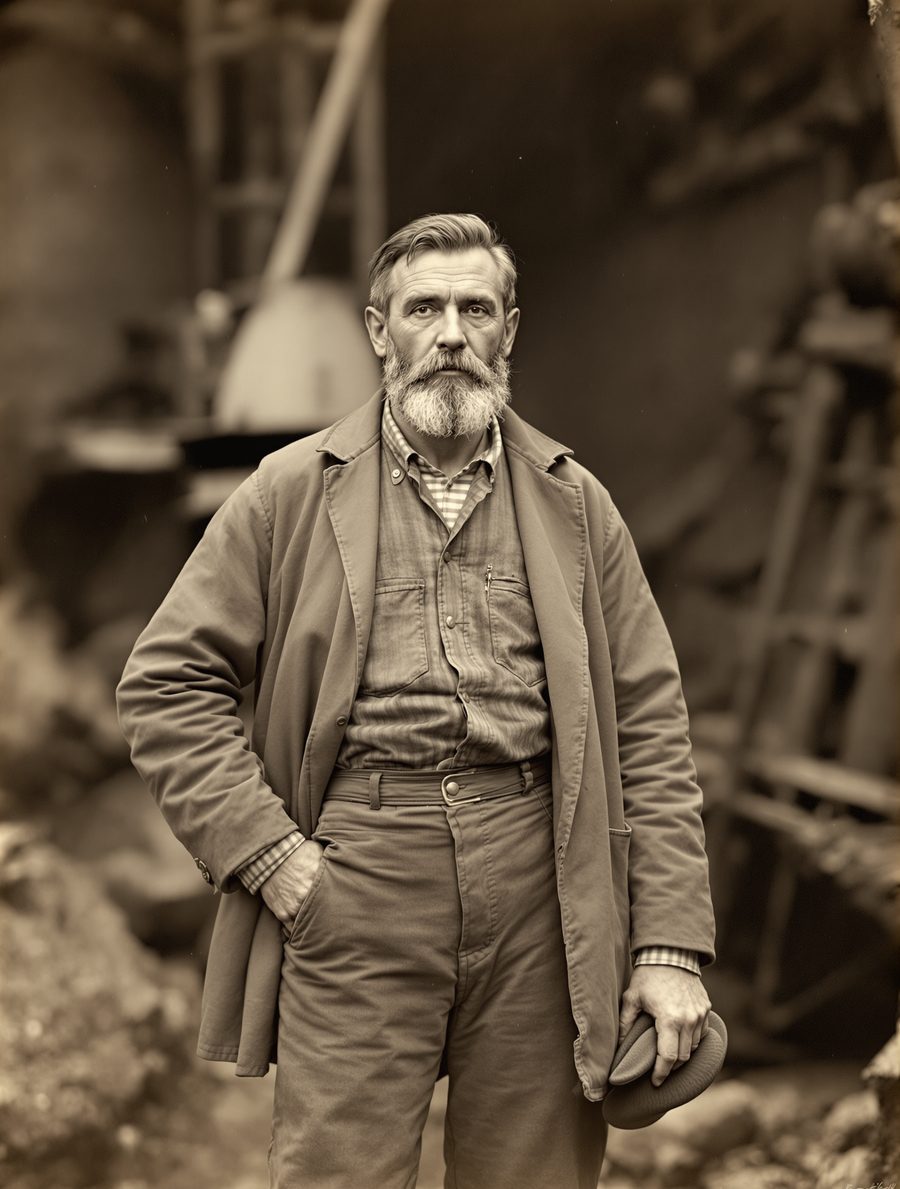
Honora Kellow, thirty three, is on trial for the wilful murder of her husband Thomas, a shift boss at the Yarrowee Deep Leads on Golden Point. His illness began at the mine and ended two days later in their cottage in Tregear's Lane, Ballarat East.
Three weeks before he died, she bought arsenic from the chemist, for rats. The first analyst to test the body found nothing. Weeks later, after an exhumation, a Melbourne chemist tested the liver and found a small quantity of arsenic, and he will show the jury the arsenic mirror in a glass tube, live in court.
The case is original fiction: the people and the crime are invented, and no real person is portrayed. The court, the year and the law are taken from the period, and the case says so openly wherever it departs from them.
The people at the heart of it.
The questions put to you.
Verdicts open to you: Guilty or not guilty, and it must be unanimous. Nobody tells you the answer before you give yours. The truth plays after the verdict, whichever verdict it is.
Whether the Crown has proved it
That Honora Kellow gave her husband arsenic, meaning to kill him, beyond reasonable doubt.
What two results mean
One analyst found no arsenic and another found some. You hear both, under examination and under cross-examination, and decide what the arsenic proves.
What a purchase proves
A woman bought arsenic three weeks before her husband died. What can that fact carry, and what can it not?
The law of the court, in plain English
- In Victoria in 1879 a prisoner charged with felony could not give sworn evidence. Honora Kellow makes an unsworn statement from the dock and cannot be cross-examined.
- The verdict must be unanimous. There is no majority verdict and no "not proven", which belongs to Scotland alone.
- A Victorian jury of 1879 was twelve men. Players of any gender take any juror card.
Solo, or the whole room.
The trial is the same either way: the same witnesses, the same exhibits, the same summing up. Only who argues with you in the jury room changes.
One juror: you. The other eleven are AI jurors who argue, point to exhibits and can be persuaded, or not.
Tell me when it launchesSix to twelve people in the room, each with a juror card. The host is the foreperson: holds the remote, reads the judge's directions if the sound is off, and calls the votes.
Tell me when it launchesNothing is on sale yet, and no money is taken for a case that cannot be played. See all 32 jury cases.
Be told when The Arsenic Mirror opens.
Leave your email and we will write once, when Jury Duty is ready to play.
Nothing is on sale yet and nothing is charged. One email when it is ready, unsubscribe whenever. We handle your address as set out in our privacy policy.
Five more juries to sit on.
Or see all 32 jury cases, including the trial of every party case, played on its own.