The Claimant
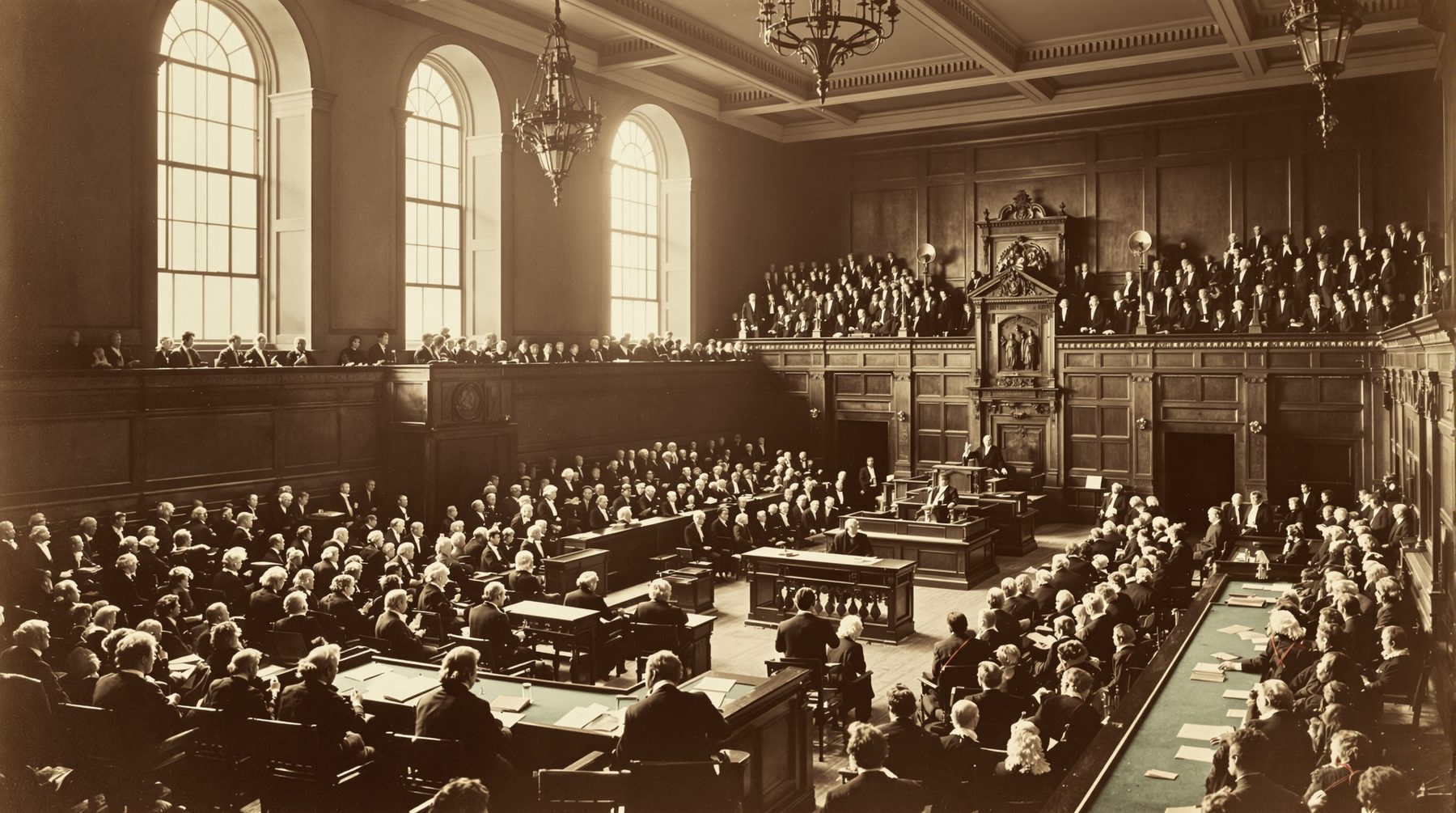
Supreme Court of New South Wales, Darlinghurst · May Sittings, 1873
A Wagga Wagga butcher who says he is a baronet, and the one man who could have exposed him. You are on the jury.
The case against Amos Tulley.
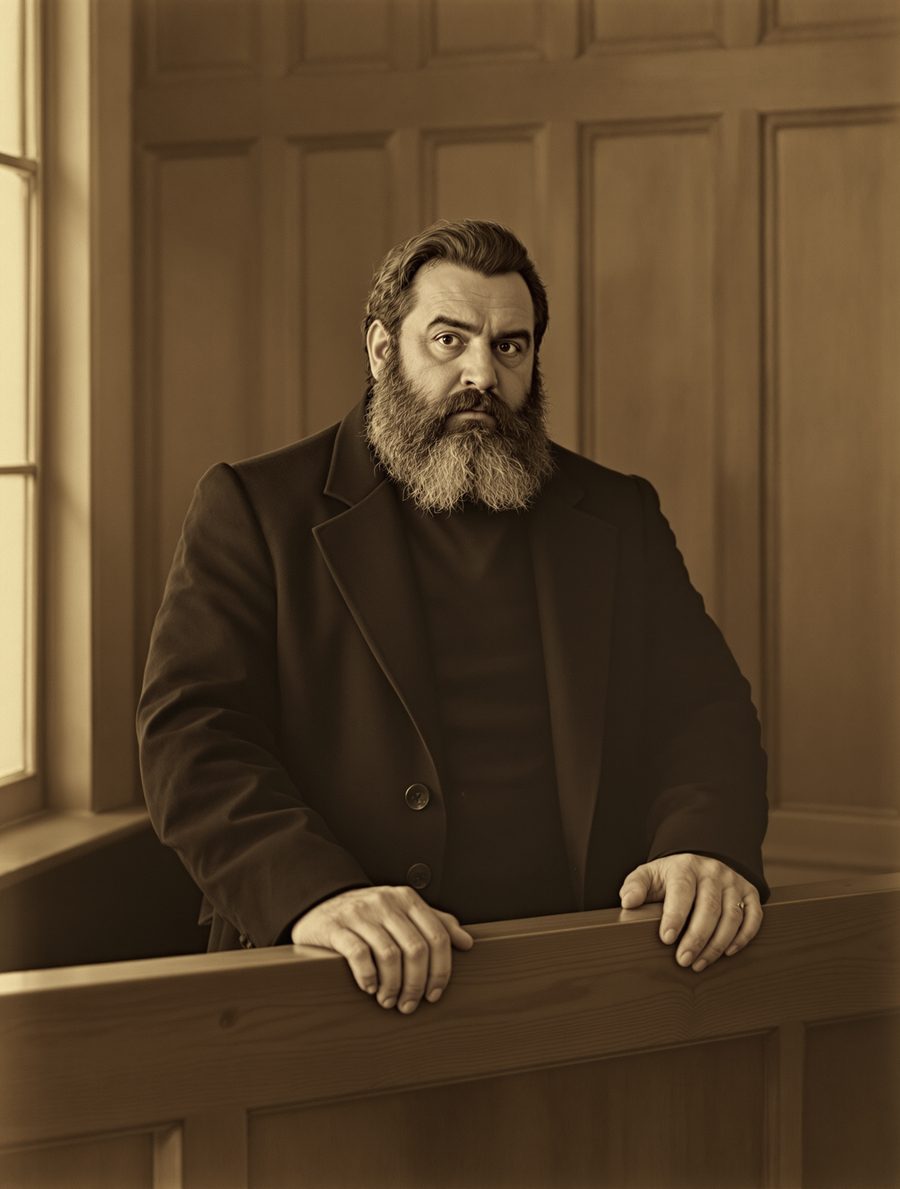
Amos Tulley, a butcher from Wagga Wagga, claims before the courts at Westminster to be Sir Julian Aubrey Delabere, the long-lost heir to a Dorset baronetcy who sailed for the colonies in 1852 and was never heard of again.
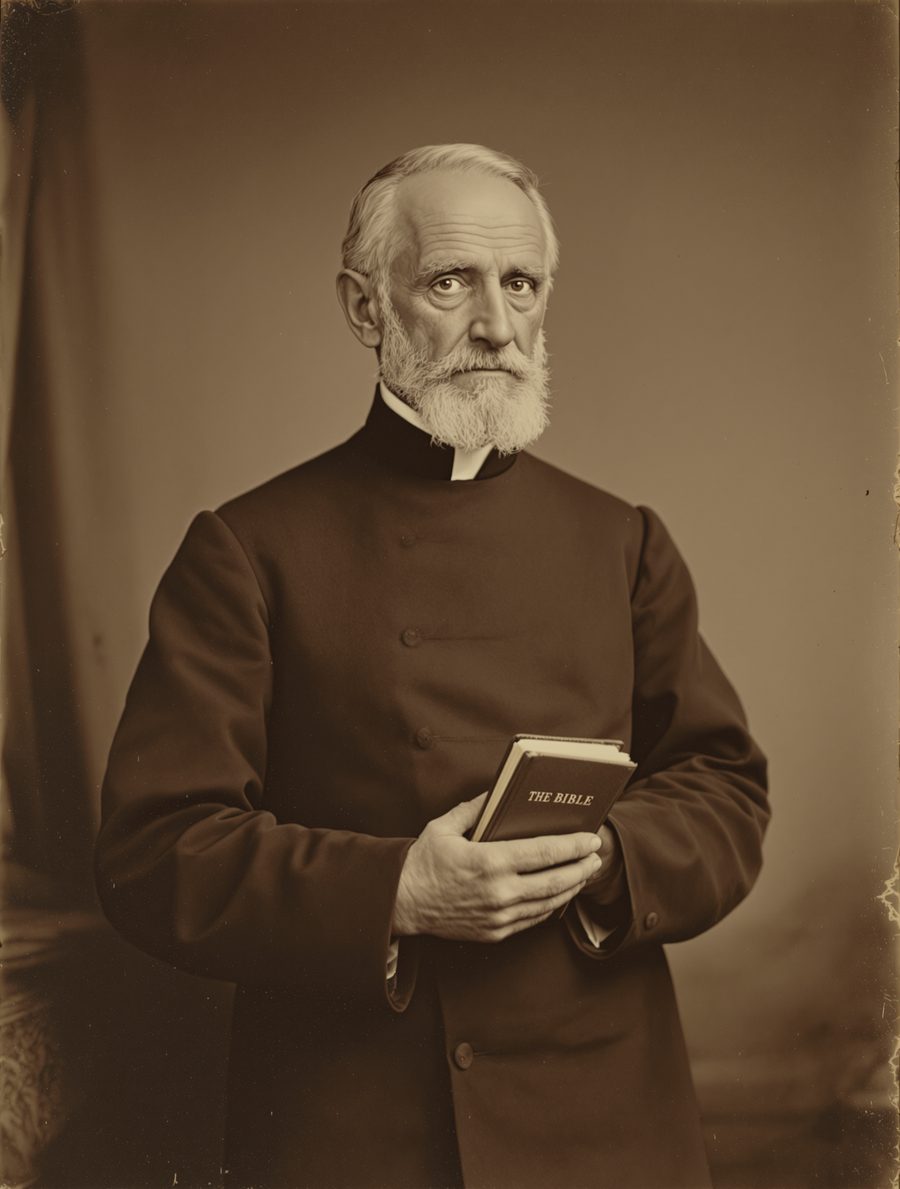
The one man who crossed the world to expose him, an old ship's steward named Enoch Pardew, is found dead in his lodging on the morning he was due to testify, poisoned with morphia. Before a word of evidence, all of Sydney has decided who the Claimant is. Nobody has yet asked what killed Enoch Pardew.
The case is original fiction: the people and the crime are invented, and no real person is portrayed. The court, the year and the law are taken from the period, and the case says so openly wherever it departs from them.
The people at the heart of it.
The questions put to you.
Verdicts open to you: Guilty or not guilty, and it must be unanimous. Nobody tells you the answer before you give yours. The truth plays after the verdict, whichever verdict it is.
The charge, and only the charge
Whether Amos Tulley murdered Enoch Pardew. The court tells the jury more than once that who he really is goes to motive, and is not the charge.
What killed Enoch Pardew
Morphia, in a lodging-house room, on the morning he was to give evidence. How did it get there?
Whether you can hold the line
A city has made up its mind about the man in the dock. The jury has to decide on the evidence.
The law of the court, in plain English
- In New South Wales in 1873 a prisoner could not give evidence on oath. Amos Tulley makes an unsworn statement from the dock and cannot be questioned on it.
- Period practice did not let the prisoner's counsel address the jury until the Crown had closed its case, so the defence opens later than a modern viewer expects.
- The verdict must be unanimous, from twelve men, as the jury then was. Players of any gender take any juror card.
Solo, or the whole room.
The trial is the same either way: the same witnesses, the same exhibits, the same summing up. Only who argues with you in the jury room changes.
One juror: you. The other eleven are AI jurors who argue, point to exhibits and can be persuaded, or not.
Tell me when it launchesSix to twelve people in the room, each with a juror card. The host is the foreperson: holds the remote, reads the judge's directions if the sound is off, and calls the votes.
Tell me when it launchesNothing is on sale yet, and no money is taken for a case that cannot be played. See all 32 jury cases.
Be told when The Claimant opens.
Leave your email and we will write once, when Jury Duty is ready to play.
Nothing is on sale yet and nothing is charged. One email when it is ready, unsubscribe whenever. We handle your address as set out in our privacy policy.
Five more juries to sit on.
Or see all 32 jury cases, including the trial of every party case, played on its own.